
 (903) 437-7049
What a Professional Roof Inspection Includes in Tyler and East Texas: What to Expect and What to Ask For
If you have called a roofing company for a roof inspection and been handed a one-page report with vague language and a recommendation to replace everything, you have not received a professional inspection. A proper roof inspection is a systematic, documented assessment of every component of the roofing system with written findings, photographs, and honest recommendations that are calibrated to what the roof actually needs. This guide explains exactly what a professional roof inspection should cover, what you should receive afterward, and what specific conditions in Tyler and East Texas make inspections more valuable here than in most markets.
What a Professional Roof Inspection Actually Covers
A complete roof inspection is not a glance at the shingles from the driveway. It requires roof access and close examination of every system component. Here is what a thorough inspection covers:
1. Shingle Field Condition
The main shingle surface is the most visible part of the roofing system and the starting point for any inspection. A professional inspector looks for:
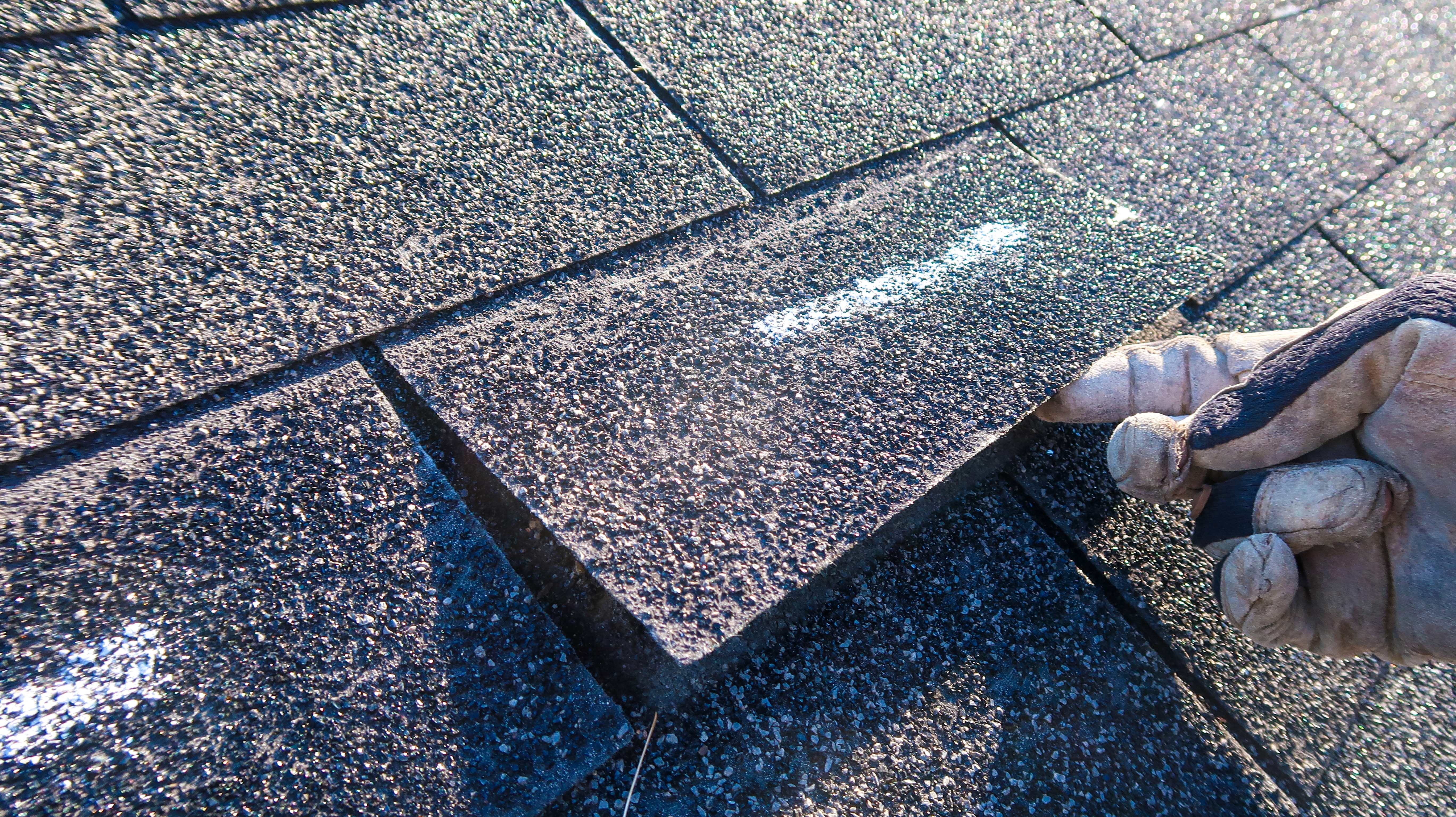
● Granule loss pattern, granule displacement from hail impact looks different from age-related granule loss. Circular impact patterns in a density consistent with a storm track indicates hail damage. Uniform granule loss across all exposures indicates age-related wear. The distinction matters for insurance purposes and for estimating remaining service life.
● Shingle edge curling or cupping, curled shingles indicate thermal stress, moisture cycling beneath the shingle, or a ventilation problem causing elevated attic temperatures
● Cracking, splitting, or brittleness, indicates shingles that have exceeded their useful life or been damaged by thermal extremes
● Missing shingles, any gap in the shingle field is an active water entry point, documented with exact location and photograph
2. Ridge Cap Condition
The ridge cap sits at the highest point of the roof and receives direct downward hail impacts. It is also the first component to show wind damage because the ridge cap shingles are individually exposed at their edges. A proper inspection assesses ridge cap granule retention, adhesive seal condition, and whether any ridge cap sections have lifted or pulled.
3. Flashing Integrity
Flashing failures are responsible for more East Texas roof leaks than shingle failures. Every transition point on the roof requires a separate assessment:
● Chimney base flashing and counter flashing, the most complex flashing assembly on most residential roofs, and the most commonly improperly installed
● Valley flashing, concentrated water flow in valleys creates accelerated wear; open metal valleys and closed woven valleys each show specific failure patterns
● Step flashing at wall transitions, where a roof plane meets a vertical wall, such as at a dormer or an addition; step flashing failure is commonly mistaken for a leak in the wall
● Pipe boot condition, every plumbing stack penetration is sealed by a rubber or neoprene pipe boot; the collar deteriorates faster than the membrane and becomes a leak point when it cracks
● Skylight surrounds, the transition between a skylight frame and the roof surface is a chronic failure point if not properly sealed and maintained
4. Gutter Condition and Attachment
Gutters are a roofing system component. A proper inspection includes visual assessment of gutter attachment to the fascia, pitch toward the downspout, condition of the gutter material, and whether downspouts are discharging water adequately away from the foundation. Granule accumulation inside gutters during the inspection is a documented finding that corroborates shingle wear estimates.
5. Attic Access and Ventilation Assessment
If safe attic access is available, a thorough inspection includes the view from inside the attic:
● Decking condition, discoloration or staining on the underside of the roof deck indicates past or active moisture infiltration events
● Ventilation adequacy, the inspector calculates the net free ventilation area against the IRC Section R806 requirement for the attic footprint and documents any deficiency
● Soffit vent clearance, insulation pushed against the soffit vents is the most common ventilation deficiency Redline finds on Tyler-area homes and is easily documented from the attic side
6. Soffit, Fascia, and Drip Edge
The perimeter of the roof where the roofing system transitions to the structure and the exterior wall is assessed for fascia board rot, soffit damage or moisture staining, proper drip edge installation, and gutter attachment quality.
What You Should Receive After a Professional Roof Inspection
The inspection is only as valuable as its documentation. After a Redline inspection, you receive:
A written report covering every component assessed, with findings described specifically enough to be useful. “Shingles show wear” is not an inspection finding. “South-facing slope shows granule loss consistent with age-related wear, estimated 3 to 5 years remaining effective service life based on material condition and installation date” is an inspection finding.
Photographs of every notable finding. Every flashing condition, every area of granule loss, every pipe boot, every ridge cap section, every attic observation is documented with photographs dated by the camera metadata.
Honest recommendations calibrated to what the roof actually needs. If the roof has 5 years of service life remaining, the recommendation should say that. If the roof needs a specific repair, the recommendation identifies exactly what the repair involves. An inspection that recommends full replacement on every roof regardless of condition is not an inspection, it is a sales pitch.
A written estimate for any recommended work, provided before any commitment is made.
When to Schedule a Roof Inspection in Tyler, TX
Before storm season (January or February): East Texas spring storm season runs from approximately February through May. A pre-season inspection establishes a documented baseline condition for the roof. If a qualifying storm occurs and damage is found afterward, the pre-storm inspection report supports the claim that the damage was caused by the storm event rather than pre-existing wear.
After any significant storm: Any hail event with stones larger than a quarter in diameter, any storm with sustained winds above 60 miles per hour, or any event that causes visible damage to secondary surfaces (dented gutters, torn window screens, stripped bark on trees) warrants a prompt professional inspection. Under Texas law, property owners have one year from the storm date to file a weather-related damage claim.
Before buying or selling: A pre-listing inspection allows the seller to address roofing issues proactively before they become a negotiating point. A buyer inspection gives a prospective purchaser an accurate understanding of roofing system condition and remaining service life before closing.
When the roof is 12 to 15 years old: This is the period when proactive assessment is most valuable. At 12 to 15 years, standard asphalt shingles may have 5 to 10 years of remaining service life, but only an inspection can identify whether they are on track or have been accelerated by storm damage, poor ventilation, or installation issues.
When interior water stains appear: New water staining on ceilings or in the attic always warrants an exterior inspection. The stain location is often not directly below the actual water entry point, which makes self-diagnosis unreliable.
How Long a Roof Inspection Takes in Tyler
For a standard residential property in Tyler and Smith County, expect a thorough roof inspection to take approximately 45 minutes to 90 minutes including attic access, depending on roof complexity and the number of penetrations and transition points. Larger homes with multiple roof planes, dormers, skylights, and chimneys take longer. Commercial property inspections vary based on roof area and system type.
The inspection itself is only part of the time investment. The written report and photograph compilation that follows is what makes the inspection actionable.
Free Roof Inspections in Tyler and East Texas
Redline Roofing and Construction provides free roof inspections with written reports and photographs for residential and commercial properties throughout Tyler and Smith County. Our inspections cover every component described above. We provide the written report and photographs without charge and without pressure to proceed with any work.
Roof inspections are also available in Longview, Kilgore, and all surrounding East Texas counties.
What Separates a Thorough Inspection From a Free Look
Not all free inspections are equal. The difference between a professional inspection and a contractor looking for a sales opportunity comes down to documentation, time, and honesty.
A contractor who completes an “inspection” in 10 minutes from a single ladder position has not inspected the roof. They have looked at the shingles from one vantage point and are about to tell you what they already decided to tell you before they got there.
A professional inspection takes time because it covers every component. It produces a report because the findings need to be documented specifically enough to be useful. And it produces honest recommendations because the reputation built on accurate assessments is worth more than any single replacement job generated by an inflated claim.
Redline Roofing and Construction is BBB A+ accredited and has been performing honest professional inspections in Tyler and East Texas since 2004. Our written reports are detailed enough to support insurance claims, real estate transactions, and long-term maintenance planning.
Call 903-437-7049 to schedule your free inspection. Open seven days a week from 8AM to 7PM.
Need a roofer in East Texas?
Redline Roofing provides free inspections seven days a week across Tyler, Longview, Kilgore, and 35+ surrounding communities. No obligation, no pressure.