
 (903) 437-7049
New Construction Roofing in East Texas: What Builders and Homeowners Need to Know Before They Frame
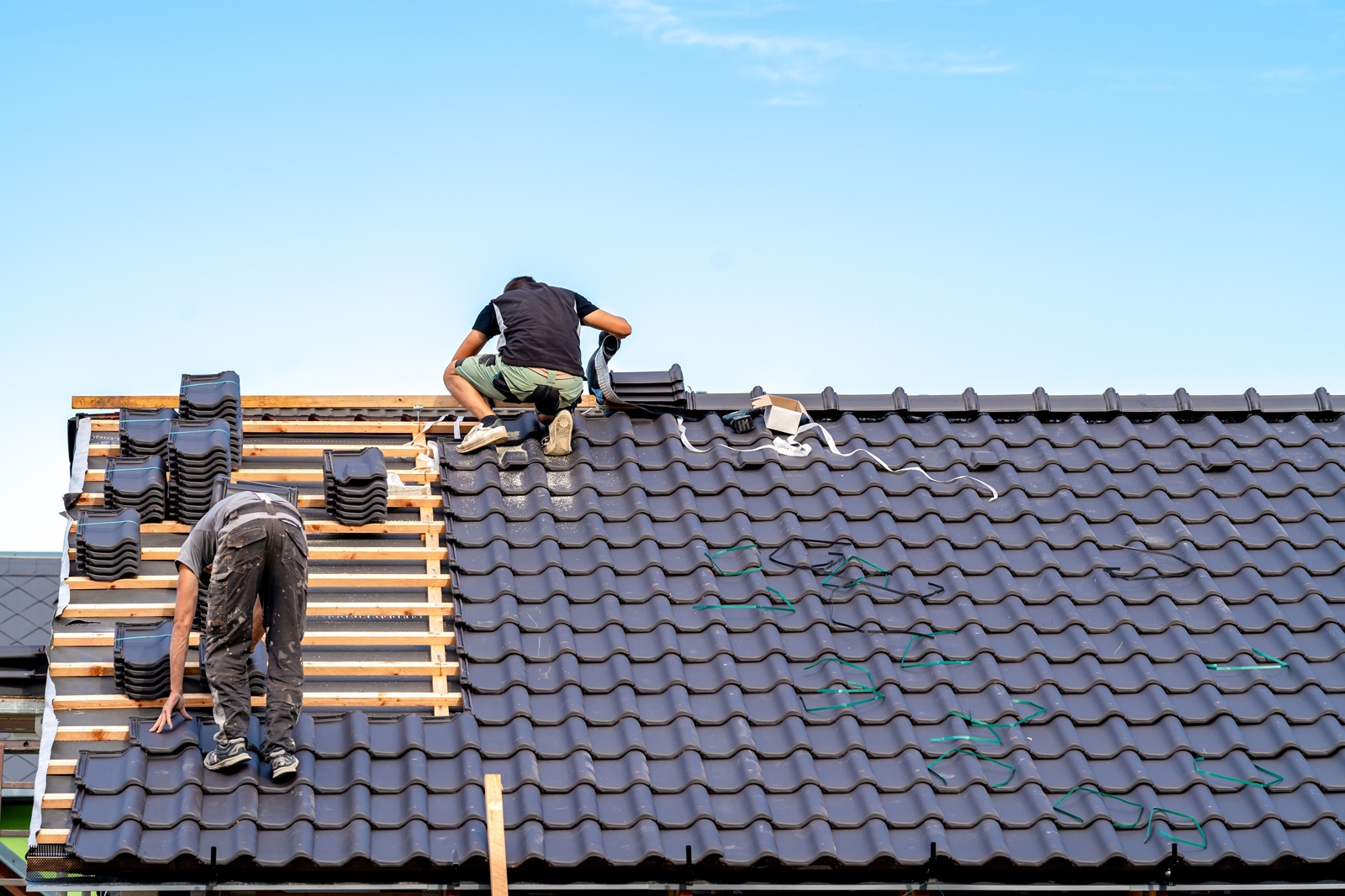
A new construction roof is fundamentally different from a replacement roof, and the decisions made during the build affect performance for the next 30 to 50 years. On a replacement, the existing structure constrains what you can do. On new construction, every component is specifiable from scratch: the decking, the ventilation system, the underlayment, the material, and the installation method. Getting those decisions right at the beginning costs nothing compared to correcting them after the fact. This guide walks through what East Texas builders and new home owners need to understand before the framing is complete.
Who Needs to Read This
General contractors and production builders who are coordinating trade schedules and need to understand what their roofing contractor requires from the framing crew before roofing can begin.
Custom home builders and owner-builders who are making specification decisions and want to understand what the code requires, what goes beyond code, and why the difference matters in East Texas specifically.
Buyers of newly constructed homes who want to know what questions to ask their builder about the roofing system before they close.
Commercial developers and building owners commissioning new commercial construction who need to understand roofing system specification and how it interacts with building energy codes.
What the Code Requires for New Construction Roofing in Texas
The International Residential Code (IRC), as adopted and amended by Texas, governs residential new construction roofing requirements. Key provisions that affect every new East Texas home:
Decking
New construction roof decking is typically 7/16-inch or 1/2-inch oriented strand board (OSB) or 1/2-inch plywood. The IRC requires that decking panels be installed with adequate spacing for expansion and that fastening patterns meet the structural requirements for the local wind zone. East Texas counties, including Smith, Gregg, and Cherokee, fall in wind design zones that require attention to fastener patterns and panel edge distance.
Plywood and OSB perform comparably when properly installed and kept dry. The distinction that matters in East Texas is moisture management during the construction phase. Decking that absorbs significant moisture before the roofing system is installed and the building is dried in can develop dimensional instability that affects shingle performance and fastener holding strength over time. Timing the roofing installation promptly after decking is one of the most practical things a builder can do to protect long-term performance.
Underlayment
IRC Section R905.1 requires underlayment on all steep-slope roofing. For asphalt shingle installations in East Texas, the minimum is a single layer of ASTM D226 Type I (No. 15) felt or an equivalent synthetic underlayment. The practical standard in East Texas new construction has shifted significantly toward synthetic underlayment in recent years because synthetic products are more tear-resistant during installation, more resistant to moisture absorption, and more durable if the roof is exposed for any period during construction.
For new construction in East Texas, specifying a quality synthetic underlayment is worth the modest cost premium over felt. It provides better temporary weather protection if the building gets wet before roofing is complete, and it delivers better long-term performance as a secondary water barrier.
Ice and Water Shield
Texas’s climate does not produce the sustained freezing conditions that make ice and water shield mandatory in northern states. However, IRC Section R905.2.7 requires that in areas where the January mean temperature is below 25 degrees Fahrenheit, ice and water shield be installed at eaves and valleys. Most East Texas counties do not meet this threshold for mandatory installation.
That said, for new construction in East Texas, installing ice and water shield in valleys and around all penetrations (chimneys, skylights, vents, plumbing stacks) is sound practice regardless of the code threshold. These are the locations where water management is most critical and where installation quality variation produces the most consequential failures. The material cost is minimal relative to the total project cost.
Drip Edge
IRC Section R905.2.8.5 requires metal drip edge at eaves and rakes on new construction. This is a code minimum that is frequently omitted or improperly installed by less careful contractors. Drip edge at the eaves directs water into the gutter rather than allowing it to run back against the fascia. Drip edge at the rakes prevents water from wicking under the shingle edge along the gable end. Both are essential and neither is optional on properly executed new construction.
Attic Ventilation
IRC Section R806 establishes minimum ventilation ratios for attic spaces. For new construction, this is the point at which the ventilation system is designed into the structure rather than retrofitted later. On a replacement roof, the ventilation system is often constrained by what exists. On new construction, there is no constraint.
The correct approach for new construction in East Texas is a balanced ventilation system: continuous soffit intake at the eaves and continuous ridge exhaust at the peak, sized to meet the 1:150 net free ventilation ratio (or 1:300 with balanced intake/exhaust). This system should be coordinated between the framer, the insulation contractor, and the roofing contractor to ensure that insulation baffles maintain the air channel from soffit to ridge and that intake and exhaust areas are correctly calculated for the attic footprint.
Getting ventilation right at new construction eliminates the most common cause of premature shingle failure in East Texas, which is chronic heat accumulation under an under-ventilated roof deck.
Roofing System Specification for New Construction
Asphalt Shingles
For residential new construction, Malarkey and Atlas Class 4 impact-resistant shingles are the specification Redline recommends for East Texas builds. The reasons are the same as for replacements: East Texas spring hail events are frequent enough that Class 4 rated shingles materially reduce storm damage risk, and Texas homeowners insurance policies commonly offer wind and hail premium discounts for Class 4 rated roofing according to the Insurance Institute for Business and Home Safety.
On new construction, the builder has the opportunity to specify Class 4 shingles as a standard feature rather than an upgrade option. Given the long-term premium savings available to the buyer and the nominal cost difference at time of installation, it is worth a conversation with your roofing contractor before deciding.
Metal Roofing for New Construction
Metal roofing is an excellent specification for East Texas new construction where the project budget and design support it. A standing seam metal roof installed on a new home eliminates the 20 to 25 year replacement cycle that asphalt shingles require, performs significantly better in hail events, and adds value that buyers recognize in the East Texas market.
For new construction, metal is also easier to integrate correctly than on a replacement because the framing, ventilation, and decking can be specified to support the metal system from the start. Metal roofing systems require specific panel engagement dimensions and structural support spacing that are easiest to achieve during initial framing.
Redline installs Double-Lok, BattenLok, SuperLok, Lokseam, and Craftsman HB standing seam metal systems for new residential and commercial construction throughout East Texas.
Commercial Roofing for New Construction
Commercial new construction in East Texas requires specification of the roofing system at the design phase, not as a last-minute trade coordination item. The roofing system affects the structural loading on the building (a modified bitumen system weighs significantly more than a single-ply TPO system), the mechanical equipment curb heights, the drainage design, and the energy code compliance documentation required by ASHRAE 90.1 for commercial buildings in Climate Zone 2.
For commercial new construction, Redline works with general contractors and developers to specify the appropriate system, coordinate with the structural engineer of record on loading requirements, and ensure that the installation meets manufacturer requirements for warranty activation. See our commercial roofing services page for system options.
The New Construction Roofing Timeline: How It Fits the Build
New construction roofing typically occurs in two phases that bookend a gap in the construction schedule:
Phase 1: Dry-in. After framing and decking are complete, the roofing contractor installs the underlayment and flashing system to weatherproof the structure. This dry-in protects the framing, insulation, and interior finishes that follow. On East Texas residential builds, dry-in typically happens within two to three weeks of completed decking to minimize weather exposure.
Phase 2: Final roofing. After interior work is substantially complete and no longer at risk from rooftop work, the final roofing layer (shingles, metal panels, membrane) is installed. This is the phase that includes final flashing, ridge cap, and all penetration work.
For builders coordinating subcontractors, the practical key points are: have decking completed and clean before calling the roofer for dry-in, ensure all roof penetration locations (plumbing stacks, HVAC flues, skylights) are framed and located before final roofing, and confirm gutters are scheduled after the final roofing is complete so drip edge alignment can be verified.
What New Construction Warranties Look Like
Manufacturer warranties on new construction shingle roofing are activated by the certification status of the installing contractor and the installation meeting manufacturer specifications. Both Malarkey and Atlas offer enhanced warranties for installations performed by their certified contractors, with coverage ranging from 30 years to lifetime depending on the product line selected.
For metal roofing, manufacturer warranties on panel finishes (paint, galvanizing) and structural integrity are similarly contingent on certified installation. Standing seam metal roofing in particular requires specific installation tooling and trained crews to engage the panels correctly.
The workmanship warranty from Redline covers the installation quality separate from the manufacturer’s material warranty. Both should be provided in writing before the project begins.
For new construction where the buyer is different from the builder, confirm that the warranty is transferable to the new owner at time of sale. Both Malarkey and Atlas offer warranty transferability; the specific process varies by product line.
Questions Builders Should Ask Their New Construction Roofing Contractor
Before committing to a roofing contractor for a new construction project, builders should confirm:
1. Are you a certified installer for the product line I am specifying? Manufacturer certification is required for enhanced warranties.
2. What do you need from the framing crew before dry-in? This is a coordination question that prevents delays and callbacks.
3. How do you handle decking inspection before roofing? A responsible new construction roofer documents decking condition before installing over it.
4. What are your attic ventilation specifications, and how do they coordinate with my insulation contractor? Ventilation and insulation are interdependent systems that need to be planned together.
5. What is your timeline for dry-in after decking is complete, and what is your commitment to weather protection if you cannot dry-in immediately?
6. How do you document penetration locations and flashing installation for the file? Documentation is important for warranty and future service.
Call Redline for New Construction Roofing in East Texas
Redline Roofing and Construction has been installing new construction roofing for residential and commercial projects across East Texas since 2004. We are BBB A+ accredited, fully insured with general liability and workers compensation coverage, and certified in Malarkey, Atlas, Mule Hide, Sika Sarnafil, and multiple standing seam metal systems.
See our full roof installation services page for more on what we provide for new construction projects.
Call 903-437-7049 to discuss your project. Open seven days a week from 8AM to 7PM.
Need a roofer in East Texas?
Redline Roofing provides free inspections seven days a week across Tyler, Longview, Kilgore, and 35+ surrounding communities. No obligation, no pressure.