
 (903) 437-7049
How to Choose the Right Shingle Color for Your East Texas Home
Most East Texas homeowners replace their roof once or twice in a lifetime. The color they choose affects curb appeal, attic temperature, cooling costs, and resale value for the next 20 to 25 years. Yet most homeowners spend more time picking paint colors than selecting a shingle color. This guide explains what actually matters when choosing shingle color in a hot, humid East Texas climate, and what questions to ask before you commit.
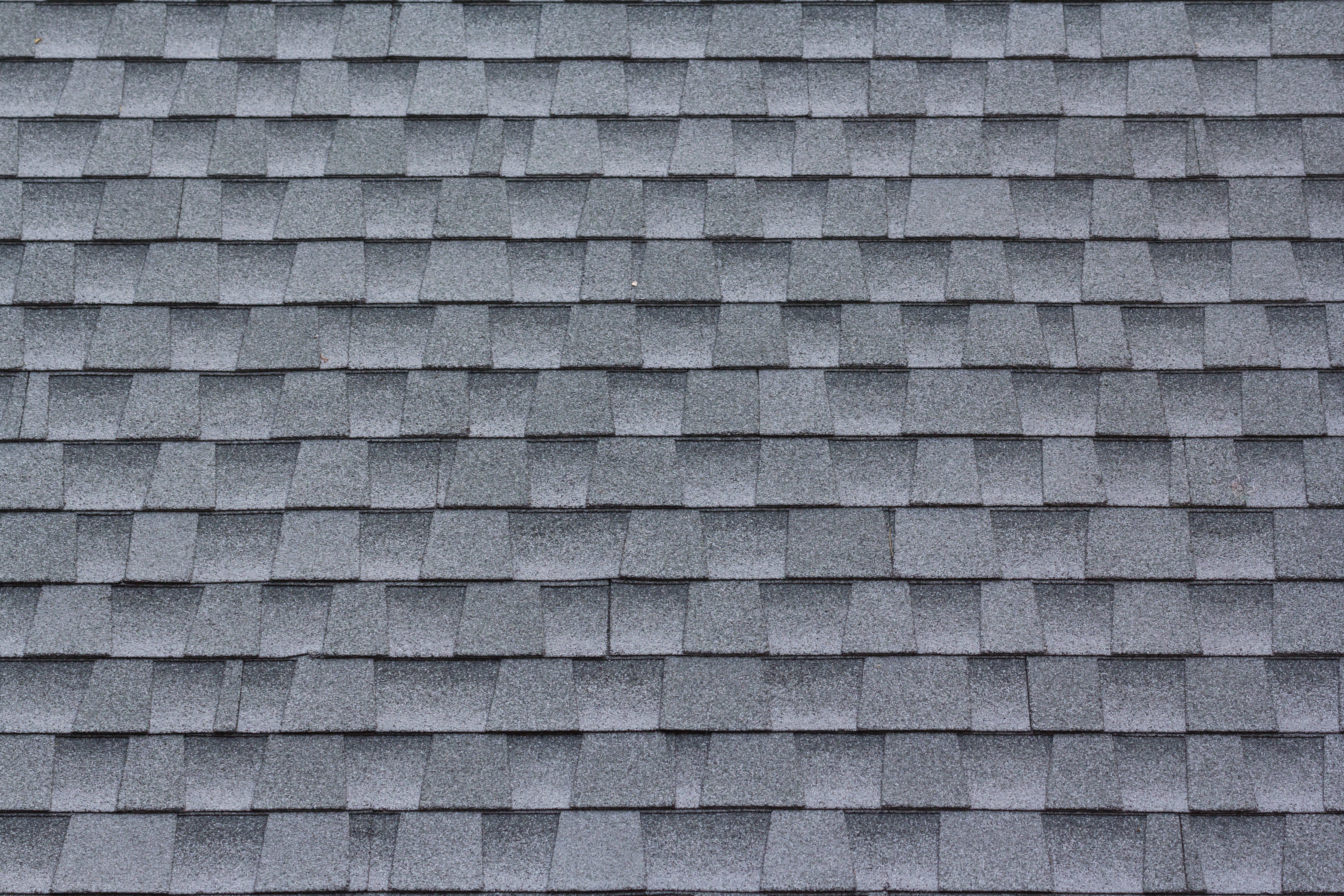
Why Shingle Color Matters More in East Texas Than in Most of the Country
East Texas sits in ASHRAE Climate Zone 2, one of the hottest and most humid climate zones in the continental United States. ASHRAE Standard 90.1, which governs energy efficiency in buildings, establishes minimum solar reflectance and thermal emittance requirements for roofing materials in Climate Zone 2 precisely because solar heat gain through the roof is a dominant driver of cooling costs in this region.
The mechanism is straightforward. Dark shingles absorb solar radiation and convert it to heat. That heat transfers through the shingles, through the roof deck, and into the attic space. Without adequate attic ventilation, the heat accumulates and increases the thermal load on the living space below. East Texas summer temperatures routinely exceed 95 degrees Fahrenheit, and rooftop surface temperatures on dark shingle roofs under direct afternoon sun can exceed 170 degrees.
According to the U.S. Department of Energy, a cool roof with high solar reflectance can reduce peak cooling demand by 10 to 15 percent compared to a conventional dark roof in a hot climate. For an East Texas home with a standard 2,000 to 3,000 square foot footprint, that difference is measurable in utility bills across the summer months.
The flip side is also true. If your home carries a heating load in winter, a darker shingle absorbs more solar heat during the shorter winter days and marginally reduces heating costs. In East Texas, where summers are long and hot and winters are short and mild, the cooling season advantage of a lighter shingle dominates the annual energy equation in most cases.
Solar Reflectance and the Energy Star Rating System
The most objective way to compare shingle colors on thermal performance is solar reflectance, which measures the fraction of solar energy a surface reflects rather than absorbs. Values range from 0 (no reflection, complete absorption) to 1 (complete reflection).
Standard dark asphalt shingles typically carry solar reflectance values between 0.04 and 0.12, meaning they absorb 88 to 96 percent of incoming solar radiation. Light-colored or white roofing products can achieve reflectance values of 0.65 or higher.
Energy Star certifies roofing products that meet minimum reflectance thresholds. For steep-slope roofing (residential shingles), Energy Star requires an initial solar reflectance of at least 0.25 and a three-year aged reflectance of at least 0.15. Products that meet these thresholds carry the Energy Star label.
Both Malarkey and Atlas, the shingle manufacturers Redline is certified to install, offer product lines with Energy Star certification. Malarkey’s Vista and Legacy products carry Energy Star ratings in several color options. Atlas’s StormMaster Slate and Pinnacle Pristine lines offer Energy Star-qualified colors as well.
Asking your contractor which color options carry Energy Star certification within your chosen product line narrows the selection without eliminating aesthetic choice.
The Real-World Color Range: What Each Tier Delivers
Light Colors: Beige, Tan, Light Gray, Weathered Wood
Light-colored shingles reflect significantly more solar radiation than dark colors and keep attic temperatures meaningfully lower under East Texas summer conditions. For homeowners whose primary concern is energy performance and cooling costs, lighter tones deliver the most measurable benefit.
Aesthetically, light shingles pair well with brick homes, cream or white siding, and the traditional residential architecture common in Smith, Gregg, and Cherokee county neighborhoods. They also tend to show less fading than dark colors over time because they are already at the lighter end of the spectrum.
One consideration: light shingles can show algae and moss growth more visibly than darker colors in East Texas’s humid environment. Many Malarkey and Atlas shingle lines include Scotchgard or similar algae-resistant copper granule treatments that significantly reduce this issue. Ask specifically about algae resistance when selecting a light shingle for a property with significant tree canopy or north-facing roof surfaces.
Mid-Range Colors: Medium Gray, Charcoal, Brown, Weathered Slate
Mid-range colors represent the most popular shingle choice in East Texas and nationally. They offer a reasonable balance of thermal performance and aesthetic versatility, pair well with the widest range of exterior colors and home styles, and show algae and weathering less than light colors.
Charcoal gray in particular has become the dominant residential shingle color in this region over the past decade. It complements brick, stone, and both neutral and earth-tone siding colors, and it photographs well for real estate listings.
The thermal trade-off versus lighter colors is real but not extreme in mid-range shades. A medium gray shingle absorbs more heat than a light tan, but significantly less than a near-black option. For most East Texas homeowners, a mid-range color with a Class 4 impact-resistant shingle rating is the practical optimum between aesthetics and performance.
Dark Colors: Dark Brown, Black, Dark Charcoal
Dark shingles absorb the most solar radiation and produce the highest attic temperatures under East Texas summer conditions. For most East Texas homeowners, selecting a very dark shingle without a high-performance ventilation system is not the right combination.
That said, dark shingles have legitimate use cases. Properties with heavily shaded roofs may benefit from darker colors because they are not receiving full solar exposure. Homes in the more northern parts of East Texas that see harder winters can capture marginal heating benefits. And for homeowners whose aesthetic priorities are strong enough that they are willing to manage the thermal consequence through attic ventilation upgrades, dark shingles are available in Class 4 impact-resistant lines from both Malarkey and Atlas.
If you select a dark shingle, ensure your attic ventilation system meets or exceeds IRC Section R806 requirements. See Redline’s blog on how attic ventilation affects roof lifespan for more on what that means in practice.
How to Match Shingle Color to Your Home’s Exterior
Shingle color works alongside siding color, brick or stone color, trim color, and the surrounding landscape. A few principles that hold up consistently in East Texas residential neighborhoods:
Contrast with the dominant color: A roof should contrast with the primary exterior material, not match it. A cream brick home with a cream shingle creates visual flatness. The same home with a medium charcoal shingle has definition and curb appeal.
Coordinate with the undertone: Brick with warm orange or red undertones pairs well with brown, tan, or warm gray shingles. Brick with cooler gray undertones works better with blue-gray or charcoal shingles. Siding colors follow the same logic.
Consider the neighborhood context: East Texas neighborhoods, particularly in established subdivisions in Smith and Gregg counties, often have informal aesthetic norms. Walking or driving the neighborhood and noting what works on comparable homes is practical research that no catalog can replace.
Account for how color reads at distance: Shingle colors look different on a large roof in full sun than they do on a small sample chip. Request the largest sample available and evaluate it at distance and at different times of day if possible. Redline’s color options page at redlineroofingtx.com/color-options/ shows available colors by product line.
HOA Restrictions and Deed Requirements in East Texas
Homeowners in planned communities throughout Smith, Gregg, and surrounding counties may face HOA restrictions or deed restrictions that limit roof color selection. These restrictions are legally enforceable in Texas and should be verified before selecting a color.
Common restriction formats include: approved color lists (only specific named colors from a specific manufacturer), general tone requirements (no colors “substantially brighter or lighter than the existing neighborhood character”), or material restrictions that indirectly affect color by limiting you to a specific product line.
If you live in a planned community or subdivision with deed restrictions, pull the restriction document before finalizing your shingle selection. Redline has installed roofs throughout East Texas neighborhoods with active deed restrictions and can advise on what is typically permissible when a restriction is ambiguous.
Class 4 Shingles: Performance Consideration That Should Come Before Color
Before you finalize a color, decide on the impact resistance rating of your shingle. Class 4 impact-resistant shingles in Texas qualify most homeowners for wind and hail insurance premium discounts, often in the range of 20 to 30 percent on the wind and hail portion of the premium, according to the Insurance Institute for Business and Home Safety.
Both Malarkey and Atlas offer Class 4 shingles in most of their product lines across a wide range of colors. The color selection within Class 4 lines is broad enough that impact resistance should not meaningfully constrain your aesthetic choices. Settling the impact resistance question first and then selecting color within that product line is the right sequence.
See Redline’s residential roofing services page and our shingle color options page for more on Class 4 options.
How to Evaluate a Color in Actual Conditions
The sequence that produces the fewest regrets:
1. Identify the product line you want (Class 4, specific manufacturer) on Redline’s color options page
2. Request physical samples of your top two or three colors, not just printed brochures
3. Hold the sample against your exterior at different times of day under natural light
4. Drive the neighborhood and look at comparable homes with similar exterior colors
5. Confirm any HOA or deed restrictions before making a final selection
6. Consider Energy Star certification and algae-resistance features within your preferred color range
Call Redline to Review Your Color Options
Redline Roofing and Construction is a certified Malarkey and Atlas installer serving East Texas since 2004. We are BBB A+ accredited, fully insured with general liability and workers compensation coverage, and can walk you through the full color range available within the product lines appropriate for your home.
View available color options at redlineroofingtx.com/color-options/, then call 903-437-7049 to schedule a free in-home consultation. Open seven days a week from 8AM to 7PM.
Need a roofer in East Texas?
Redline Roofing provides free inspections seven days a week across Tyler, Longview, Kilgore, and 35+ surrounding communities. No obligation, no pressure.