

How Long Do Roof Shingles Last in East Texas Weather Conditions?
If you’re a homeowner in East Texas, understanding how long your roof shingles will last is essential for protecting your home and planning future repairs or replacements. With weather conditions ranging from extreme heat to sudden storms, the lifespan of shingles in East Texas can vary compared to other regions. Knowing what affects shingle durability helps you maintain your roof and avoid unexpected damage.
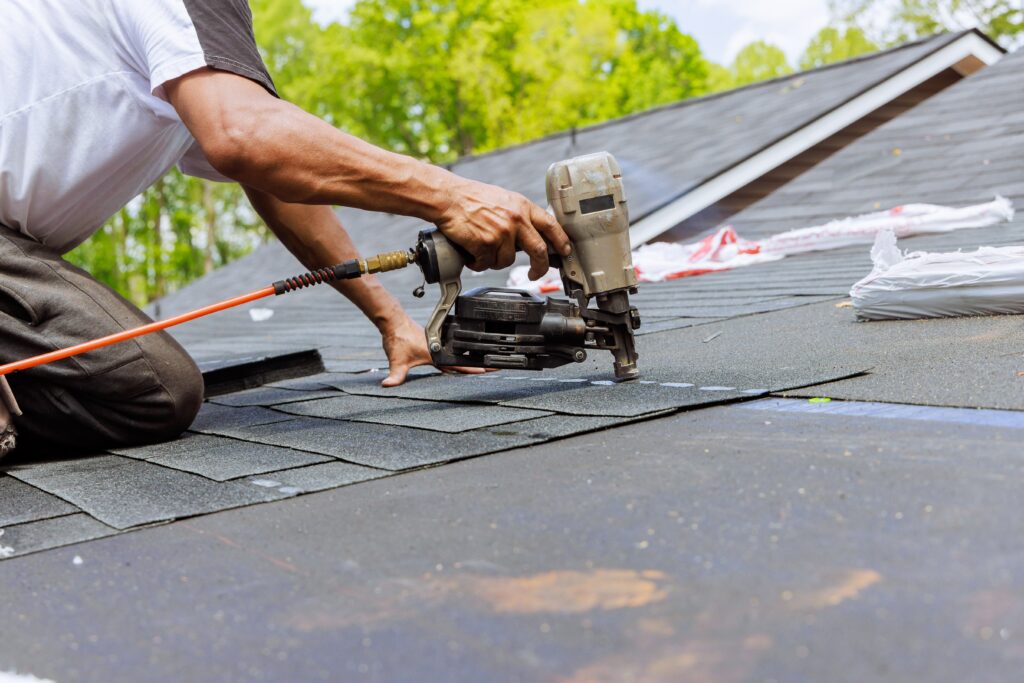
Typical Lifespan of Roof Shingles in East Texas
Most asphalt roof shingles last 15–25 years, but East Texas weather can shorten or extend that timeline depending on several factors. Climate, installation quality, material type, and regular maintenance all play significant roles. Some high-performance shingles can last up to 30 years or more, but local conditions often determine real-world results.
How East Texas Weather Impacts Roof Shingle Lifespan
Extreme Heat and UV Exposure
East Texas summers can bring long periods of intense heat and direct sunlight. This constant UV exposure can cause shingles to dry out, crack, and lose granules faster than expected. High temperatures also weaken the shingle adhesive, making them more vulnerable to lifting during storms.
Heavy Rain and Humidity
Constant humidity and frequent rainfall in East Texas accelerate roof wear. Moisture can seep into shingles, weaken the underlayment, and promote algae growth. Over time, this leads to deterioration, soft spots, and a shortened shingle lifespan if not properly addressed.
Strong Winds and Storms
East Texas is no stranger to high winds and severe thunderstorms. Strong gusts can tear shingles off, loosen flashing, and expose the roof deck. Even if shingles appear intact, underlying damage from wind uplift can lead to leaks over time.
Hail Damage
Hailstorms are one of the biggest threats to roof shingles in East Texas. Hail impact can bruise shingles, knock off protective granules, and create weak spots that develop into leaks. Even if hail damage seems minor, it can significantly reduce your roof’s overall lifespan.
Signs Your Roof Shingles Are Wearing Out
Watch for these early warning signs that your shingles may need attention:
- Curling, cracking, or lifting shingles
- Bald spots or loss of granules
- Dark streaks or algae growth
- Missing shingles after storms
- Leaks in the attic after heavy rain
- Soft or sagging roof decking
- Frequent roof repairs in the same areas
If you notice any of these signs, schedule a professional inspection to avoid further damage.
How to Extend the Life of Your Roof Shingles in East Texas
Schedule Regular Roof Inspections
Professional inspections help identify damage early—before leaks and rot develop. Roofing experts recommend inspecting your roof at least once a year and after major storms.
Keep Your Roof Clean and Debris-Free
Leaves, branches, and debris trap moisture and accelerate shingle wear. Keeping your roof and gutters clean helps prevent water buildup, mold growth, and structural damage.
Trim Nearby Trees
Overhanging branches can scrape shingles and drop debris that clogs gutters. Trimming trees reduces risk and helps your roof dry more quickly after rain.
Ensure Proper Ventilation and Insulation
Good attic ventilation prevents heat buildup, reduces humidity, and protects shingles from premature aging. Proper insulation also reduces heat transfer that can weaken roofing materials.
Repair Minor Issues Quickly
Fixing small leaks, loose shingles, or damaged flashing early prevents widespread problems and extends the lifespan of your entire roofing system.
When to Replace Roof Shingles in East Texas
You may need a roof replacement when:
- Your roof is 20–25 years old
- Damage is widespread
- Repairs are frequent or costly
- Shingle granules are deteriorating
- You see visible sagging or structural issues
- Interior leaks continue despite repairs
A professional roofing inspection will help determine whether repair or replacement is the best option.
Frequently Asked Questions (FAQs)
1. How long do asphalt shingles last in East Texas?
Asphalt shingles typically last 15–25 years, but extreme sun, heat, and storms can shorten their lifespan without proper maintenance.
2. Can proper maintenance extend the life of my roof shingles?
Yes. Regular inspections, cleaning, minor repairs, and ventilation checks can significantly extend the lifespan of your roof.
3. How do I know if my shingles need replacement?
Look for curling, missing shingles, leaks, granules in gutters, or frequent storm damage. A professional inspection provides a definitive answer.
4. Are metal shingles better for East Texas weather?
Yes. Metal shingles are highly durable, heat-resistant, and excellent against storms and hail, making them a long-term investment.
5. How often should I have my roof inspected in East Texas?
Schedule professional inspections at least once a year and after any major storms to catch damage early and protect your home.
Need a Roof Inspection in East Texas?
If you’re unsure about the condition of your shingles, Redline Roofing offers free roof inspections for homeowners in Tyler, Longview, Kilgore, Fort Stockton, and nearby areas. Our team provides honest recommendations and expert guidance to help you protect your home.
Roof shingles can last 15–25 years in East Texas, but severe weather can shorten that lifespan without proper care. Regular inspections, maintenance, and quick repairs are key to keeping your home protected year-round. Understanding how Texas weather impacts your roof helps you stay ahead of damage and plan for timely roof upgrades.